
The social dilemma is this: strangers will see my little Matthew and make all sorts of comments referring to him as a little girl. For example:
"She is so beautiful!"
"She has such long lashes!"
"Oh, what big, beautiful blue eyes she has!"
"Her hair is so cute!"
These comments are inevitably followed by the following questions:
"How old is she?"
"What is her name?"
Now, this is the manner in which I have chosen to deal with this awkward dilemma. If the adoring stranger stops after any number of the first kinds of compliments, I just smile and thank them graciously. I have decided that correcting them when they have given him (and me, in a round-about way) a compliment, and thus making them potentially feel embarrassed, seems rather rude when they are doing something so kind. However, the real problem comes when I don't correct them initially and then they follow up with one of the questions from the second set above. At that point I refuse to continue living the lie that my Matthew is a little girl. For one, if they ask what "her" name is and I wanted to continue the charade, I would have to make up another name to tell them and I don't think I could ever bring myself to call him by a girl's name myself. Second of all, it is their mistake and not mine, so I should not have to cover for them - although I do think that on occasion it is less important to be right than it is to help someone else from feeling embarrassed. Thus what I usually say is, "He is 9 months old," or else, "His name is Matthew." They are usually fairly embarrassed at this point and I do my best to put them at ease, but I feel it necessary to set the record straight at this point.
Now, here is the thing that baffles me. Why would you ever make an assumption in the first place about what gender a little baby is unless they are dressed in pink from head to toe or have one of those huge headbands with a silk flower attached to it or something of a similar nature? You are also usually pretty safe to make a judgment if the baby is in blue from head to toe or has any sports accessory appliquéd to their clothing, although even this is less safe than the feminine motif - let's be honest, most parents do not put their little boys in pink and purple, but blue things or sports are not nearly as taboo for a little girl to wear. This being said, even if I did not make the judgment call aloud, I would gather from the evidence that a blue and sports clad baby is presumably a boy. Whenever I encounter a baby, even if I am thoroughly convinced of the gender, unless it is the feminine motif mentioned above, I always say things like, "How old is your baby?" or, "What is your baby's name?" Notice the neutrality in those statements. Then I can follow the cue of the parent when they respond with, "She is 6 months old, " or, "His name is Taylor." Particularly in the second response given in the previous sentence, it is very important to listen to the "his" or "her" part, since it is a name used for children of both genders. After thus hearing out of the mouth of the parent what the gender of the child actually is, then I can follow with a compliment (if there is one that I can give honestly) using the correct grammar usage appropriate for the sex of the baby.
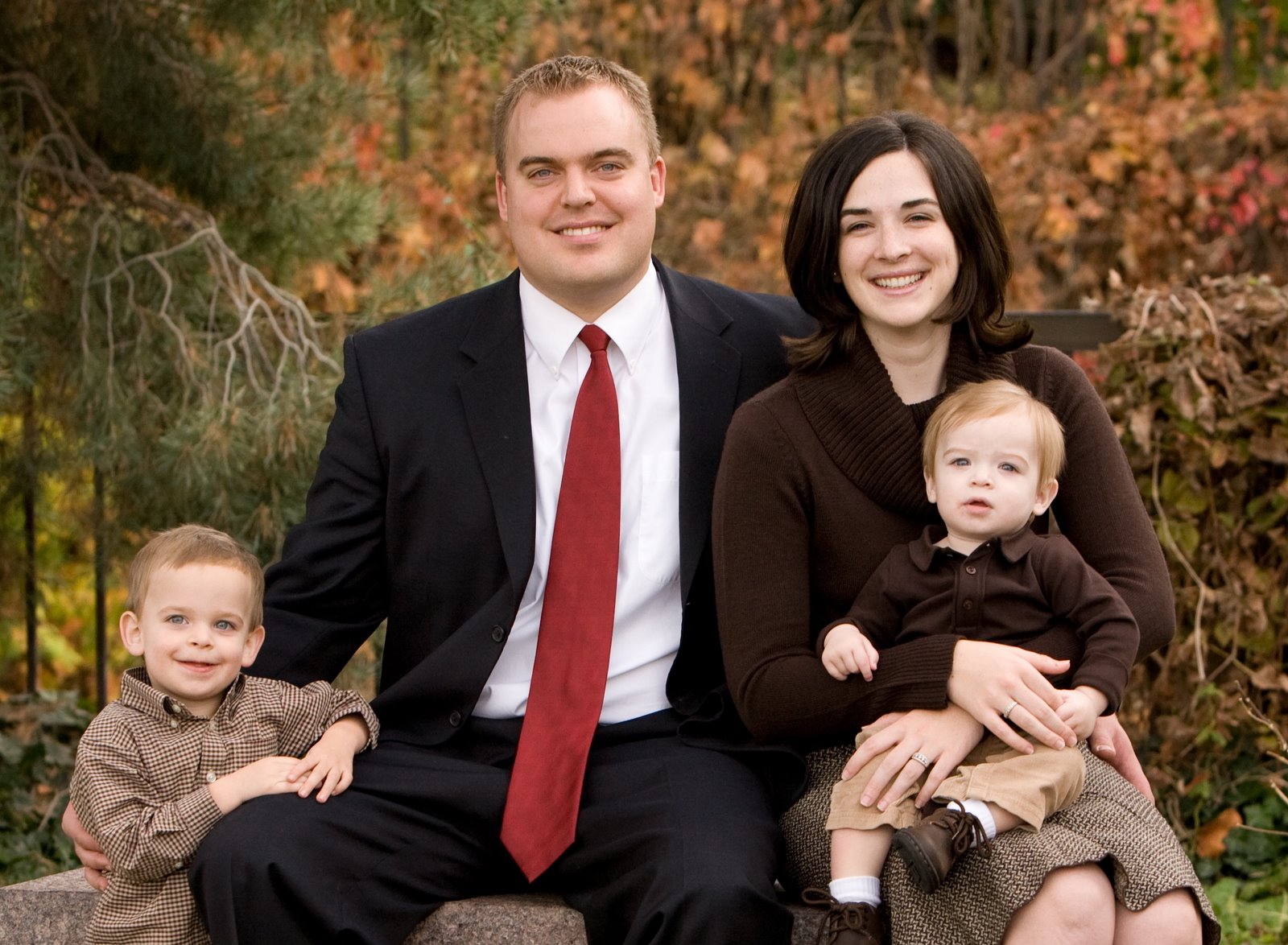
 Given my own personal awareness of the situation, I am always surprised when, Matthew being clothed in blue and green entirely (alright, so these pictures aren't exactly good examples of this), and clutching his green blankie, so many (almost all the strangers that talk to us, actually) guess that he is a girl. It could be his beautiful blue eyes, his long and luscious lashes, his dimple when he smiles, or his hair that has so much volume that many women would kill for it - but since when have women had a monopoly on beauty? I am never offended when people think he is a girl because it usually means that they think he is beautiful, and no one should ever be offended when someone thinks their baby is beautiful. I really only struggle with this dilemma because of my hesitancy to knowingly embarrass another by correcting them.
However, not to beat a dead horse, but even if they think he may be a girl, if it is not absolutely clear, why not be safe? It is for this last reason, largely, that I feel alright about revealing a stranger's mistake if they ask me how old "she" is... Maybe next time they will be more careful in their absolute certainty of declaring the gender of someone else's baby.